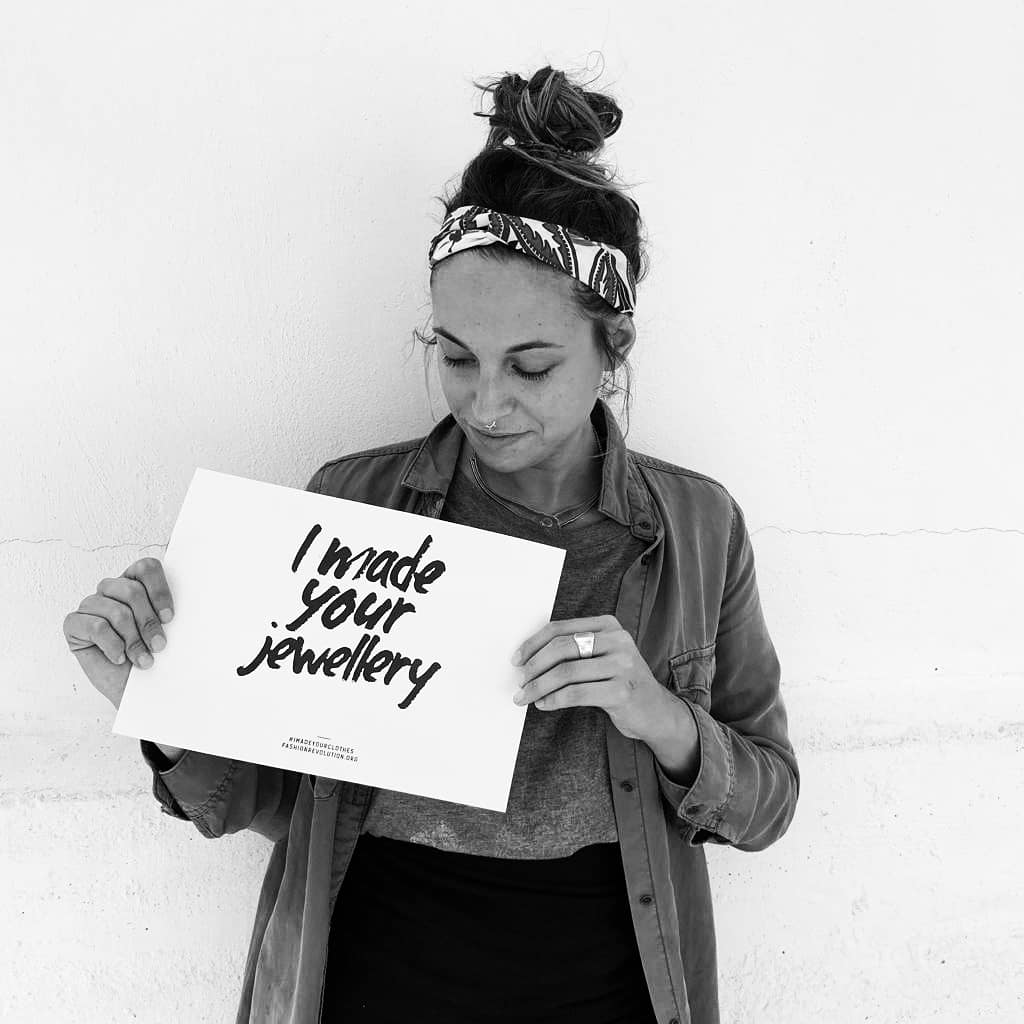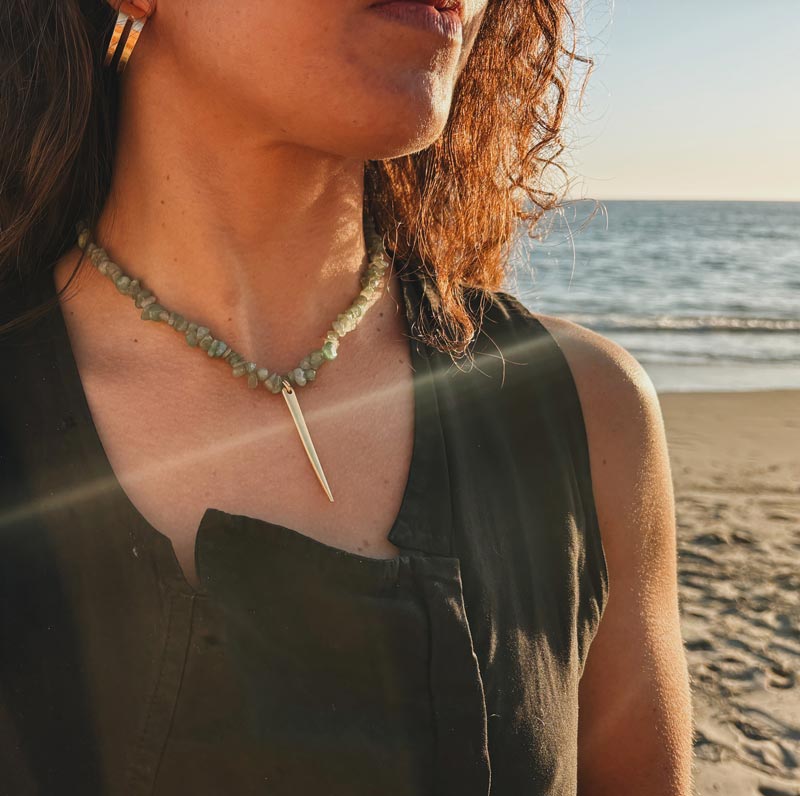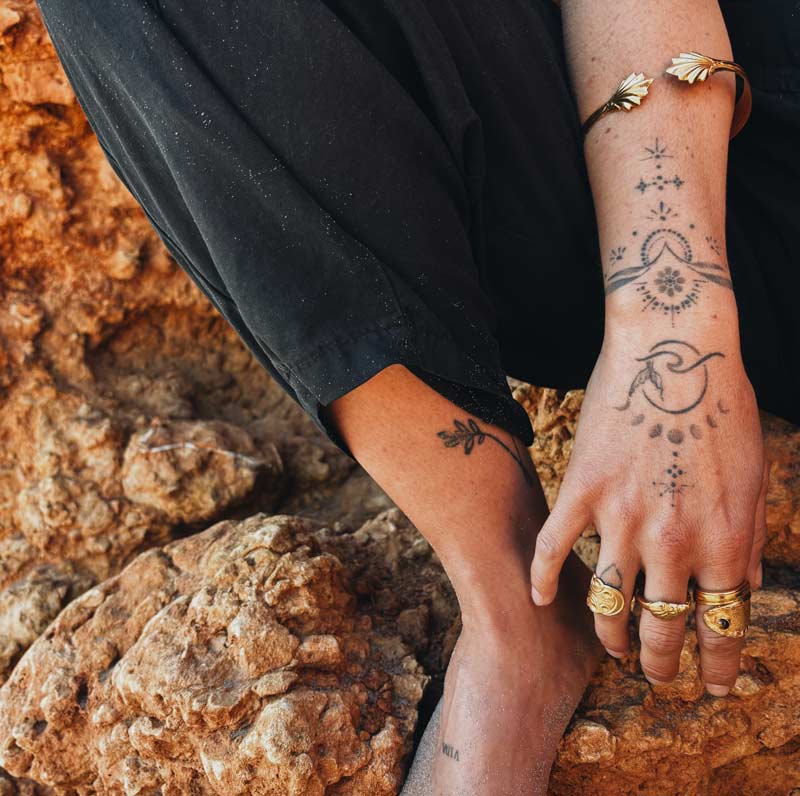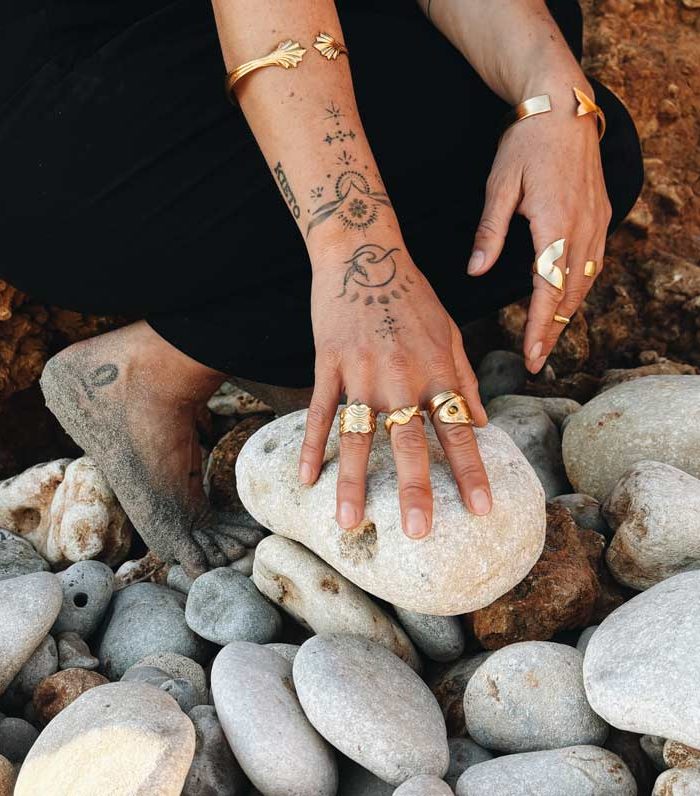
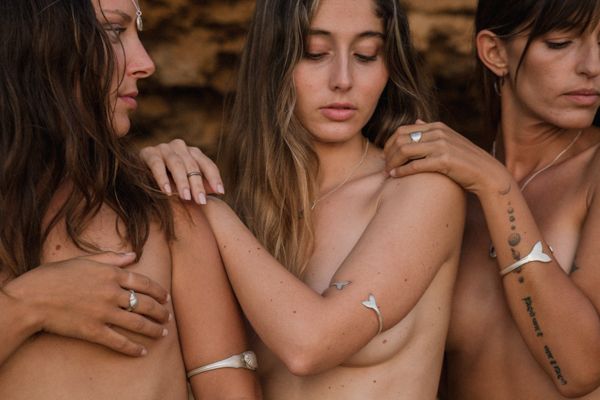
The earliest known jewellery appeared in the Stone Age, when natural elements such as minerals were used to differentiate oneself from others, using everything from bones, shells, conch shells or stones…
Later, with the discovery of metal around 5000 BC, the profession of goldsmithing, pendants and bracelets began to be created, moving from bronze to silver and finally to gold, becoming objects of desire among the most influential people in society.
Societies such as Ancient Greece and Ancient Egypt had a great impact on the use of talismans and unique jewellery which marked the status of gods and pharaohs. These decorative elements were also used in ceremonies, rituals, and burials.



Origin of International Women's Day
International Women's Day was declared by the United Nations in 1975. However, it was two years later when it was renamed International Women's Day and International Peace Day.
Why 8 March? In the midst of the Industrial Revolution, on 8 March 1857, thousands of textile workers demonstrated in New York City to protest the working conditions they were forced to endure. They demanded a reduction in working hours and an end to child labour.
From then on, numerous demonstrations and movements took place in different countries, which served to set the date for the International Women's Day on 8 March.
Women in jewellery and other artistic disciplines
Women such as Frida Kahlo, Cleopatra, Coco Chanel, Marilyn Monroe, Nina Simone, and Aretha Franklin, among many others, have been role models in different artistic disciplines and were undoubtedly icons of society who made a mark on feminism with their lives and professions. .